.png)
 English
  Spanish
  Japanese
  Korean
  Russian
  Chinese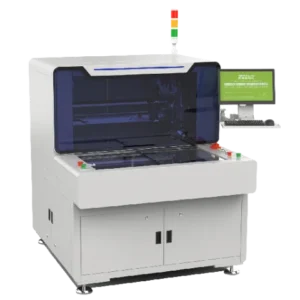





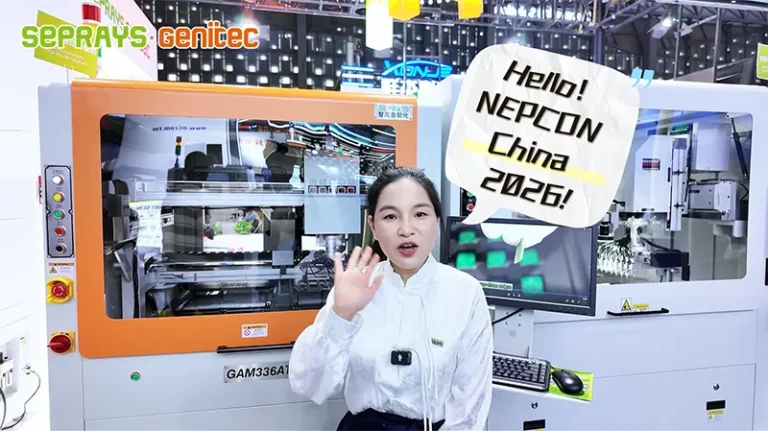
Live at NEPCON Shanghai 2026: Fully Automated Inline PCB Depaneling Solution
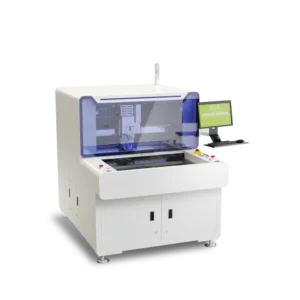
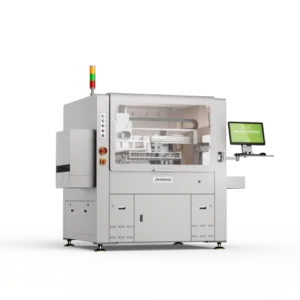
Seprays & Genitec is exhibiting at NEPCON Shanghai 2026. Visitors can experience our fully automated Inline PCB Depaneling Solution running live on-site. The system automates the entire process from board loading to scrap collection. No manual intervention is required. This helps manufacturers reduce labor costs and improve production efficiency. A dual-worktable design enables simultaneous cutting and loading/unloading. The result is a smoother production flow and higher throughput. The solution can also be integrated with post-cut inspection and intelligent tray loading. This creates a complete automated inline depaneling process for modern SMT production lines. Our team is available at the booth to discuss applications, production challenges, and automation solutions. 📍 Hall 1, Booth 1H80📅 June 2–4, 2026🏢 Shanghai World Expo Exhibition
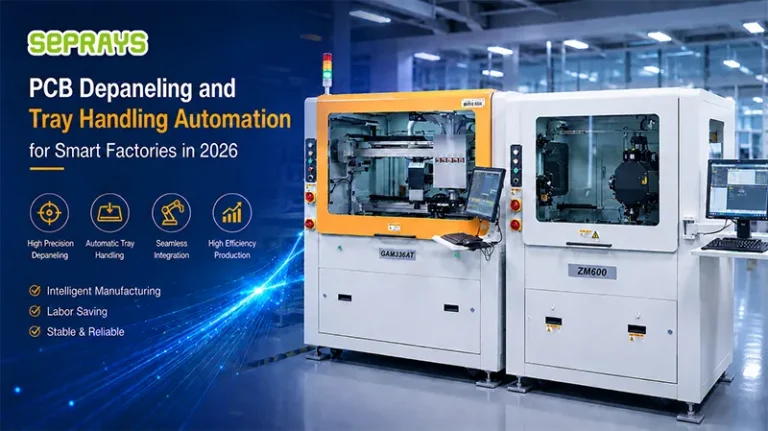
PCB Depaneling and Tray Handling Automation for Smart Factories in 2026
PCB depaneling and tray handling automation is becoming a critical topic for electronics manufacturers in 2026. As production volumes increase and product designs become more complex, manual depaneling and tray management are creating bottlenecks that many factories can no longer ignore. For SMT manufacturers, the challenge is no longer just cutting PCBs accurately. It is about maintaining continuous production flow, reducing labor dependency, ensuring traceability, and improving consistency from panel separation to final product collection. Many factories are now asking a different question: “How can we automate the entire post-SMT process instead of optimizing only the depaneling step?” The answer increasingly lies in integrated depaneling and tray handling systems. 🚀 Why Traditional PCB Depaneling Processes Are Becoming a Bottleneck A
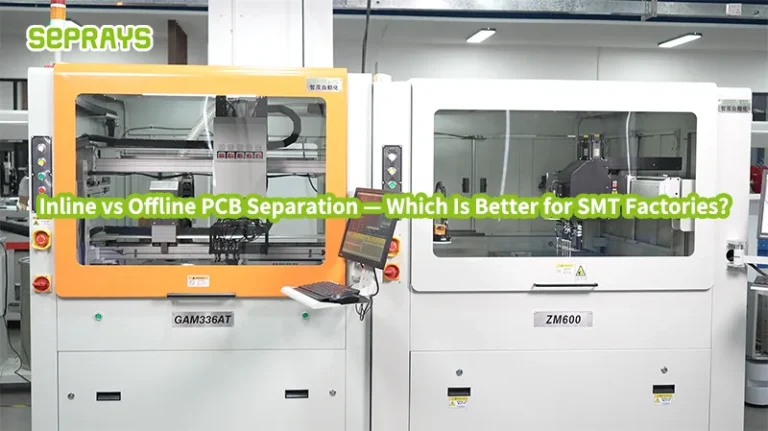
Inline vs Offline PCB Separation — Which Is Better for SMT Factories?
Inline PCB separation is becoming a hot topic among SMT manufacturers in 2026. Not because offline depaneling has disappeared. In fact, many successful factories still rely on offline systems every day. The real question is different: Which solution creates the best balance between productivity, flexibility, quality, and long-term operating costs? The answer depends on your production environment. A factory producing millions of identical automotive PCBs may need a completely different approach from an EMS provider handling dozens of product changes every week. This article explores the practical differences between inline and offline PCB separation from an engineer’s perspective. 🏭 Why More SMT Factories Are Re-Evaluating Their Depaneling Process Over the past few years, electronics manufacturing has changed significantly. Factories are
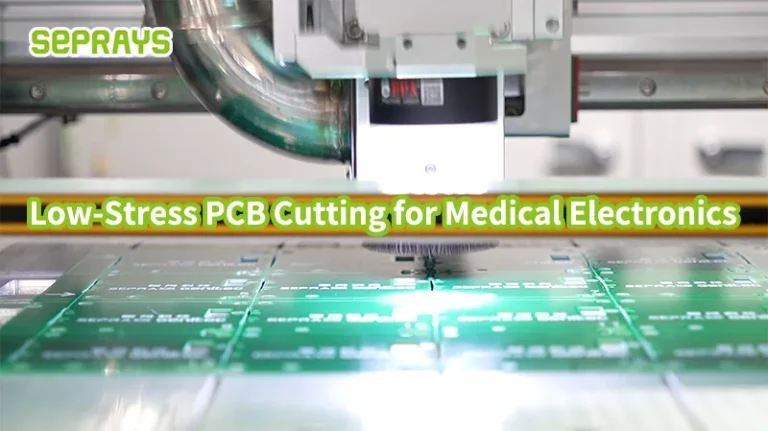
Low-Stress PCB Cutting for Medical Electronics
Low-stress PCB cutting is no longer optional in modern medical electronics production. Devices such as wearable monitors, implantable sensors, diagnostic instruments, and portable imaging systems demand not only precision but also extreme care during PCB separation. Even a small crack, micro-fracture, or stress-induced defect can compromise device reliability, regulatory compliance, and patient safety. In 2026, medical electronics manufacturers are focusing on cutting techniques that preserve PCB integrity while supporting high-throughput production. 🩺 Why Low-Stress PCB Cutting Matters in Medical Devices Medical electronics PCBs often have: High mechanical stress during depaneling can lead to: Factories that underestimate stress management risk: A low-stress cutting approach safeguards both quality and regulatory adherence. ⚙️ Common PCB Stress Points in Medical Production Even minor errors


